What BMX is
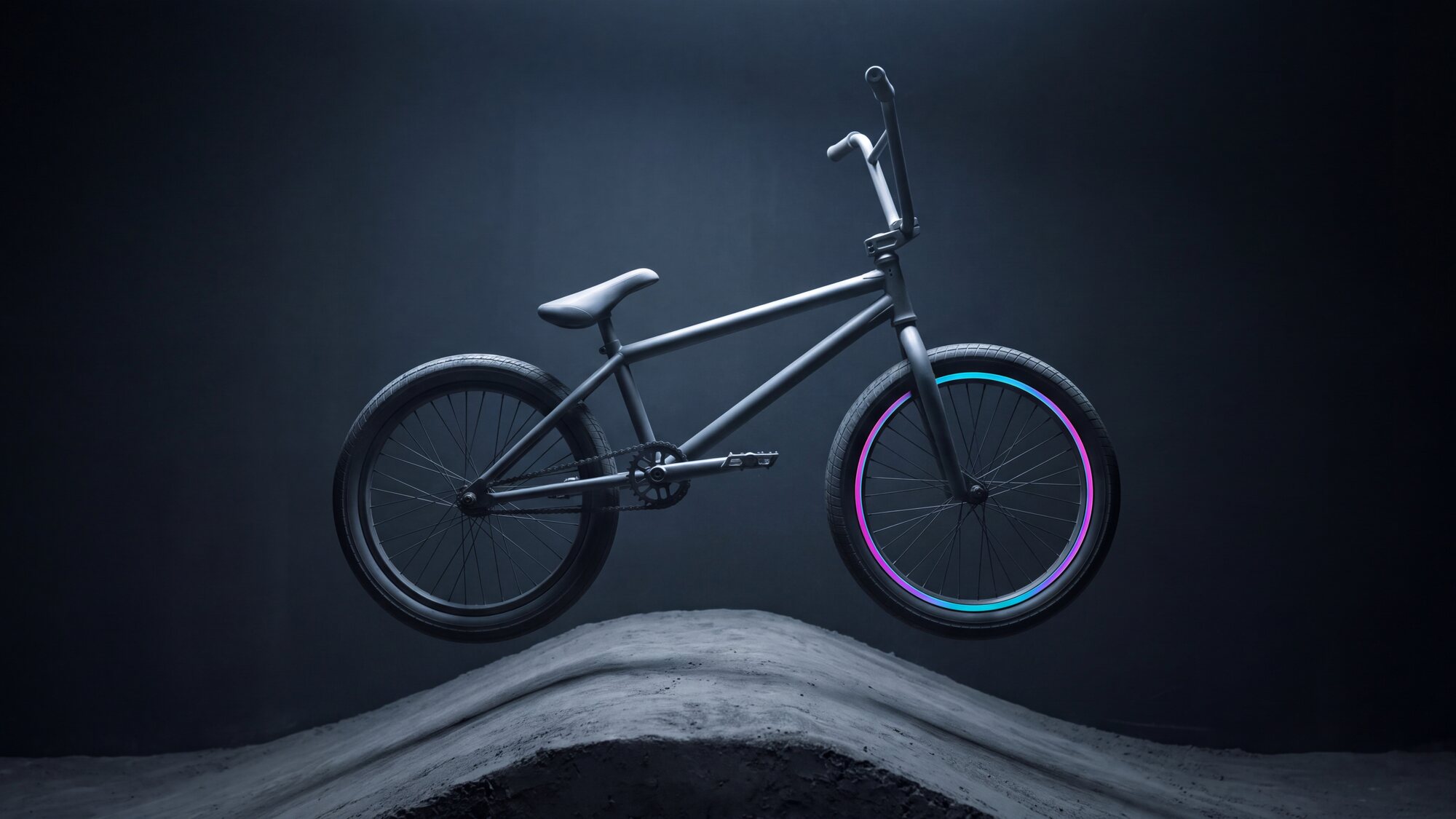
The BMX, short for “Bicycle Motocross”, is a type of bicycle born in the United States in the Seventies. It was first developed by youngsters who wanted to imitate motocross races on a bicycle. That idea gave rise to a sport which, over the years, has spread across the world and branched into several disciplines.
The BMX is a smaller, more compact bicycle than an ordinary one. It usually has 20-inch wheels, a sturdy frame and high handlebars that give the rider good control of the machine. Its small size makes it very agile and well suited to jumps, tricks and quick changes of direction. The components are designed to withstand the impacts and stresses produced by jumps and tricks.
There are mainly two large categories of BMX: BMX Race and BMX Freestyle.
BMX Race is a discipline built on speed. Riders tackle a track made of ramps, berms, jumps and obstacles, trying to reach the finish line ahead of their rivals. In this event the start, the speed, the ability to keep your balance and the technique used to clear the obstacles all matter a great deal.
BMX Freestyle, on the other hand, focuses more on tricks. Riders can use ramps, structures and urban spaces to perform spectacular jumps and figures. Freestyle disciplines include park, street, flatland, dirt and vert. Each event has different characteristics, but they all demand coordination, balance, technique and plenty of training.
BMX is not only a competitive sport. Many people also use it to have fun, learn new tricks or move around town. Riding BMX calls for attention and proper protection, especially when performing jumps or tricks. The helmet matters most of all, while knee pads, elbow pads and other protection can reduce the risk of injury.
BMX has also become an Olympic discipline. BMX Race entered the programme of the Beijing 2008 Olympic Games, while BMX Freestyle Park was introduced at the Tokyo 2020 Olympics. That has made the sport even better known internationally.
The BMX is a bicycle designed to be strong, agile and easy to control. It can be used for speed races or to perform tricks and figures. Its main quality is the way it brings together technique, balance, strength and creativity, which makes it a very dynamic and spectacular sport.
Differences between BMX and MTB
The BMX and the MTB, that is the mountain bike, are two types of bicycle born to face different situations. Although both can be used for sport and both demand balance and skill, they differ in many ways in size, structure, use and technical features.
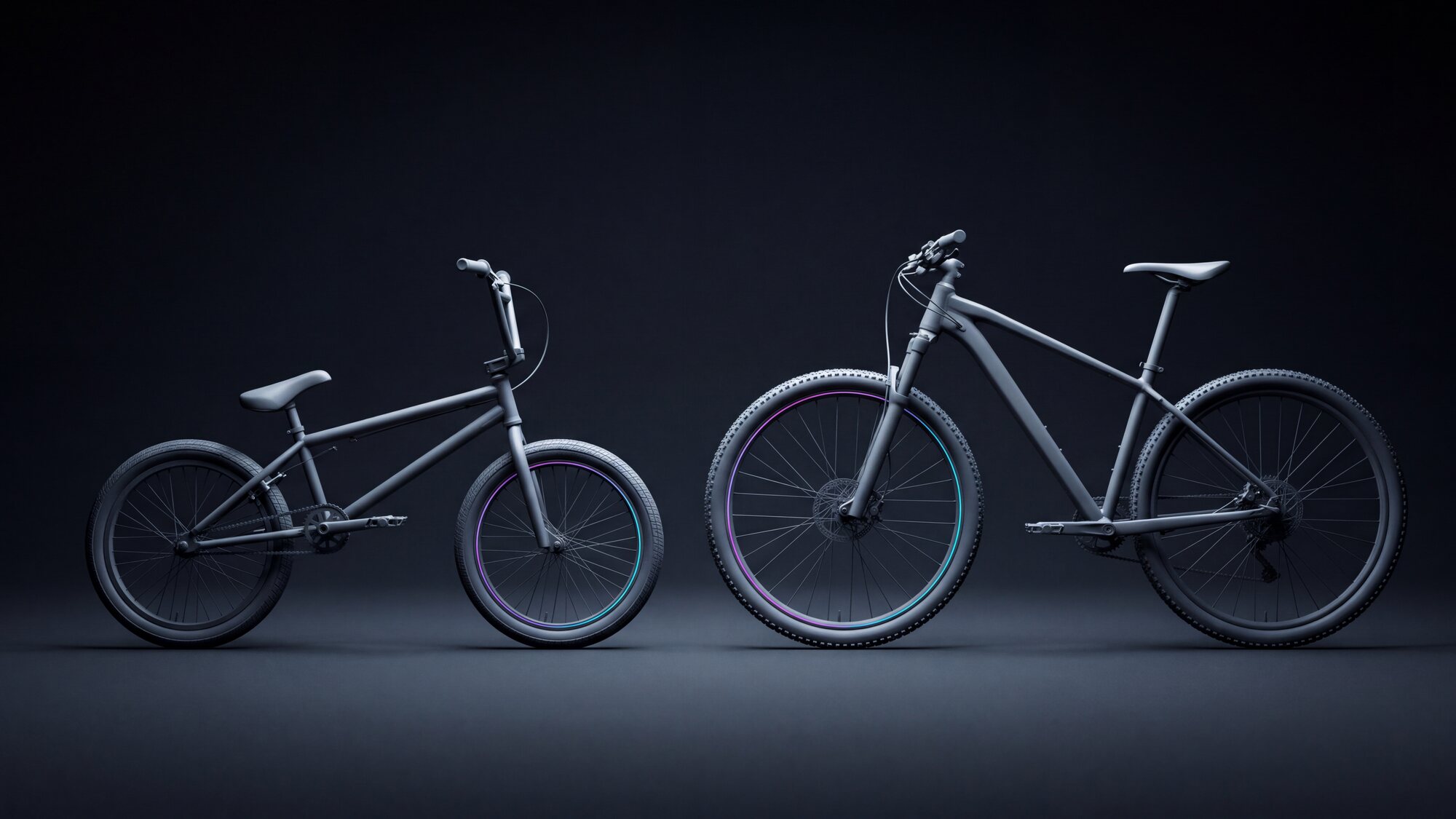
The first obvious difference is size. The BMX is generally far smaller and more compact than an MTB. BMX bikes normally use 20-inch wheels, while modern mountain bikes mostly have 27.5 or 29-inch wheels. The larger wheels of the MTB clear stones, roots, holes and other obstacles on the trail more easily.
The frame is different too. The BMX frame is compact and designed to be highly resistant to impacts and jumps. The MTB, on the other hand, has a larger frame and is designed for off-road routes that can be very long. Depending on the model, a mountain bike may have a rigid frame or front and rear suspension.
Another important difference concerns suspension itself. Most BMX bikes have none, because low weight and a rigid structure help when performing jumps and tricks. MTBs, on the other hand, may be fitted with a front suspension fork or with a full suspension system. These absorb the impacts when riding over rough ground.
The gearing is different as well. Many BMX bikes, especially those used in freestyle, have a single gear ratio. That keeps the bicycle simple, light and suited to tricks. MTBs generally have several gear ratios, which allow the rider to handle both climbs and descents. The rider can choose an easier ratio on a climb and a harder one when moving fast on the flat or downhill.
The tyres are designed for different uses. Those of the BMX are relatively small and suited to the surfaces on which the discipline is practised, such as tracks, ramps or urban areas. MTB tyres are wider and have a specific tread pattern to grip on dirt, mud, rocks and other uneven ground.
The use, therefore, is very different too. The BMX is particularly suited to track racing and to tricks. The MTB is used above all to ride mountain trails, woods and unpaved routes. There are also several categories of MTB, such as cross-country, trail, enduro and downhill, each designed for a type of course.
The BMX is small, light, strong and very agile, while the MTB is larger and designed above all for off-road routes. The BMX leans towards tricks, speed and handling; the MTB leans towards the ability to cover difficult ground and long distances. Both demand training and technique, but they are meant for very different riding experiences.
BMX helmets
The helmet is one of the most important pieces of protection for anyone riding BMX. This sport can involve jumps, falls, impacts and very fast movements, so protecting the head is essential. The helmet serves to reduce the risk of head injury should the rider fall or hit a surface.
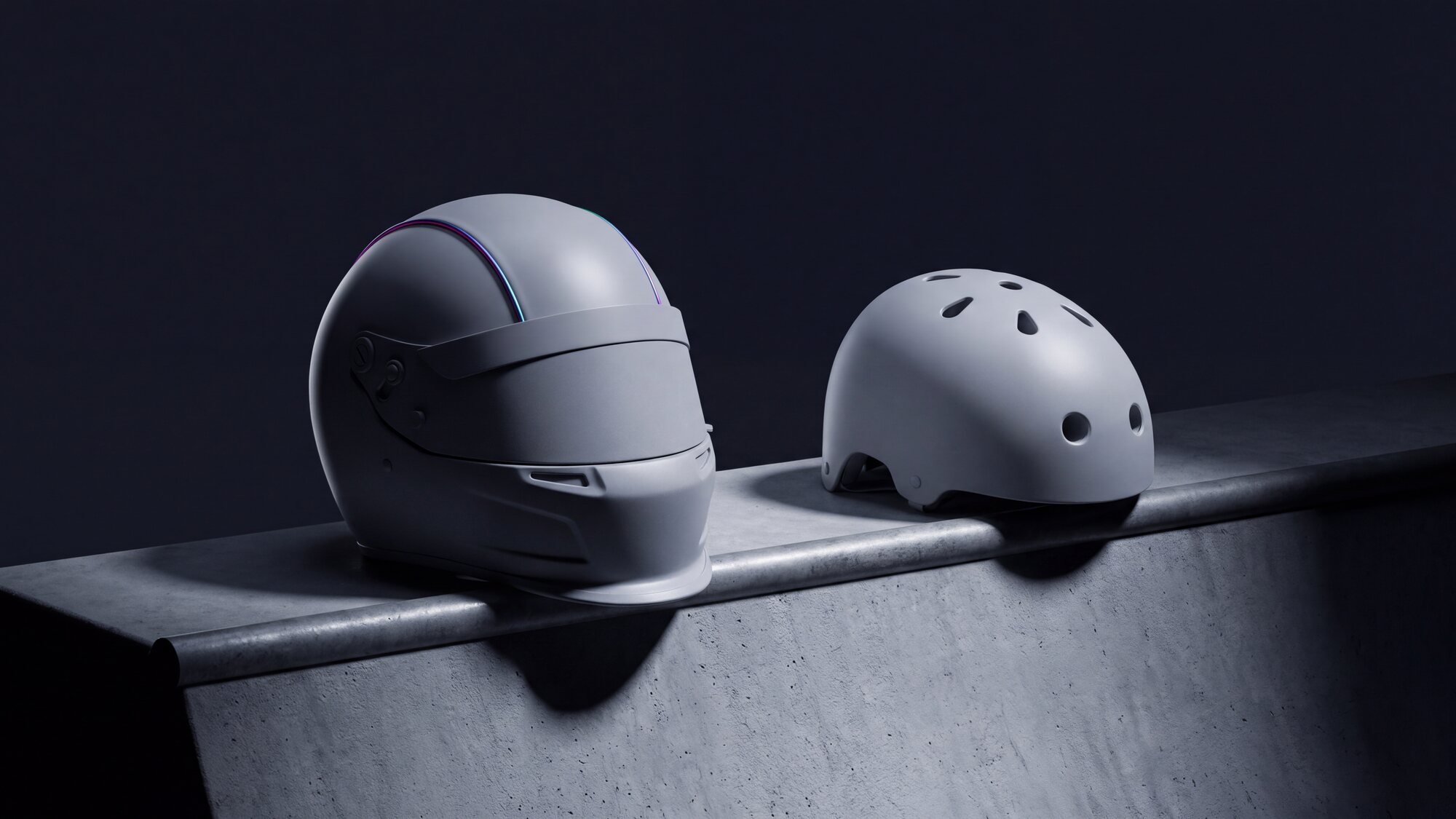
The helmets used in BMX can have different features depending on the discipline practised. In BMX Race, where riders reach high speeds and take jumps and berms on a track, full-face helmets similar to motocross ones are common. These helmets protect not only the top and back of the head but also the face and jaw, thanks to the chin bar.
In BMX Freestyle, on the other hand, hard-shell helmets are very widespread, often called “helmet” or “skate-style helmet”. They have a compact shape and offer good protection to the top, sides and back of the head. They are used above all in park, street and flatland, where the rider performs tricks and jumps.
An essential quality of a BMX helmet is its ability to stay firmly in place on the head. It must be neither too loose nor too tight. A helmet of the right size should sit against the head without causing pain or discomfort. The adjustment system and the chin strap matter too: they must keep the helmet in the correct position while riding.
It is also important to check that the helmet is certified to the safety standards required for the type of use and for the country where it is bought. Before choosing a model it is therefore advisable to check the product label and the certifications stated by the manufacturer.
The material of the helmet is designed to absorb part of the energy generated during an impact. Many helmets are made using a combination of a strong outer shell and an inner layer of foam. Some more modern models may also use systems designed to help manage the forces generated by certain impacts.
Comfort is another important element. A rider may spend a great deal of time training, so the helmet should have good ventilation and a suitable weight. The vents in the structure encourage airflow and help reduce heat and sweat during physical activity.
The helmet, however, does not make accidents impossible and must not be treated as absolute protection. That is why it is important to learn riding techniques properly, to respect your own limits and to use, when needed, other protection such as knee pads, elbow pads and gloves.
Finally, a helmet should be checked regularly. After a serious impact it may need replacing, even if there is no visible damage from the outside. The age and general condition of the product must be considered too, always following the manufacturer's instructions.
The helmet is an essential part of the equipment of anyone riding BMX. The choice must take into account the discipline, the size, the comfort, the ventilation and the safety certifications. A suitable helmet, worn and adjusted correctly, makes it possible to ride BMX with greater protection and awareness.

BMX glasses
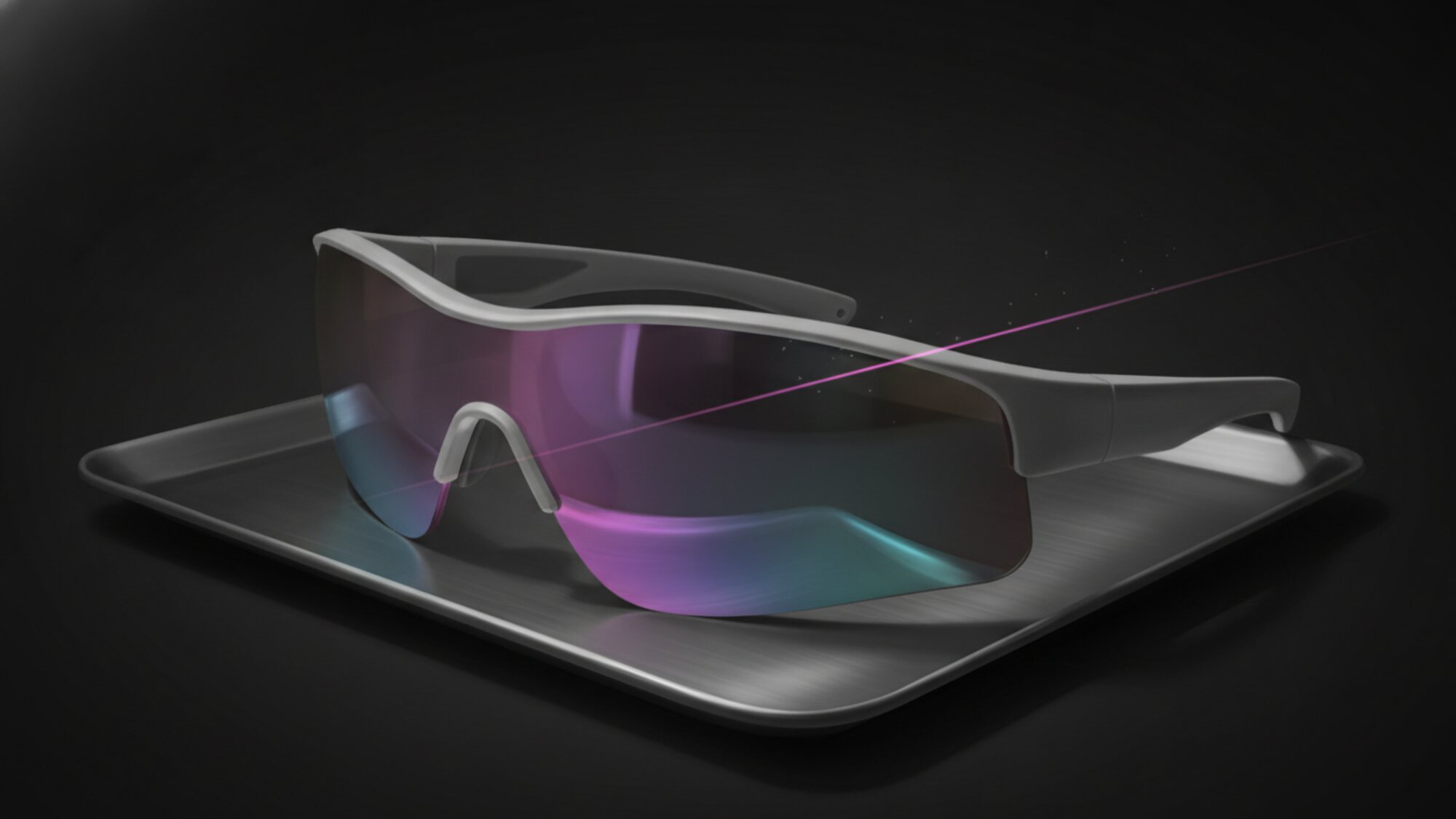
BMX glasses are a very useful accessory for anyone riding BMX, especially in the disciplines where high speeds are reached or dirt tracks are ridden. Although they are not always compulsory, they help to protect the eyes from dust, soil, small stones, insects and wind. They can also improve visibility and let the rider concentrate better on riding.
In BMX Race, glasses are particularly important. During a race several riders may find themselves very close to one another and the wheels can throw up soil and small debris. Glasses therefore help to keep those particles out of the eyes. For this reason riders often use models similar to motocross goggles, with a wide lens and an elastic strap that holds them firmly on the face.
In BMX Freestyle, on the other hand, wearing glasses depends above all on the rider's preference and on where they ride. In a park or in a clean urban space they may be less necessary, while on dirt surfaces or during outdoor training they can be very useful. Some riders prefer lighter sports glasses, similar to those used in road cycling.
One of the most important features is lens quality. Lenses must be strong enough to withstand sporting use and offer good visibility. Clear lenses are useful in poor light, while tinted or dark ones may suit bright conditions better. It is important, however, to choose the type of lens to match the conditions, because a lens that is too dark can reduce visibility in a poorly lit place.
Another important aspect is ventilation. During physical activity the rider may sweat and the lenses may fog up. Glasses designed for sport may have vents or systems that encourage airflow and reduce the build-up of condensation. Good ventilation is particularly useful when the glasses are worn together with a helmet.
Comfort is essential too. BMX glasses must not slip during jumps or sudden movements and must not press too hard on the face. Models fitted with an elastic strap can be particularly stable and suit BMX Race above all. It is also important that the glasses are compatible with the helmet being used.
BMX glasses must not be confused with full face protection. Their main purpose is to protect the eyes and improve visibility. They must therefore be used together with the other appropriate safety equipment, above all the helmet.
Glasses for BMX are an accessory meant mainly to protect the eyes and ensure good visibility. They are particularly useful in BMX Race and when riding on dirt ground, where dust and debris can be a problem. The choice should take into account the discipline practised, the light conditions, the ventilation, the comfort and the fit with the helmet.

BMX goggles
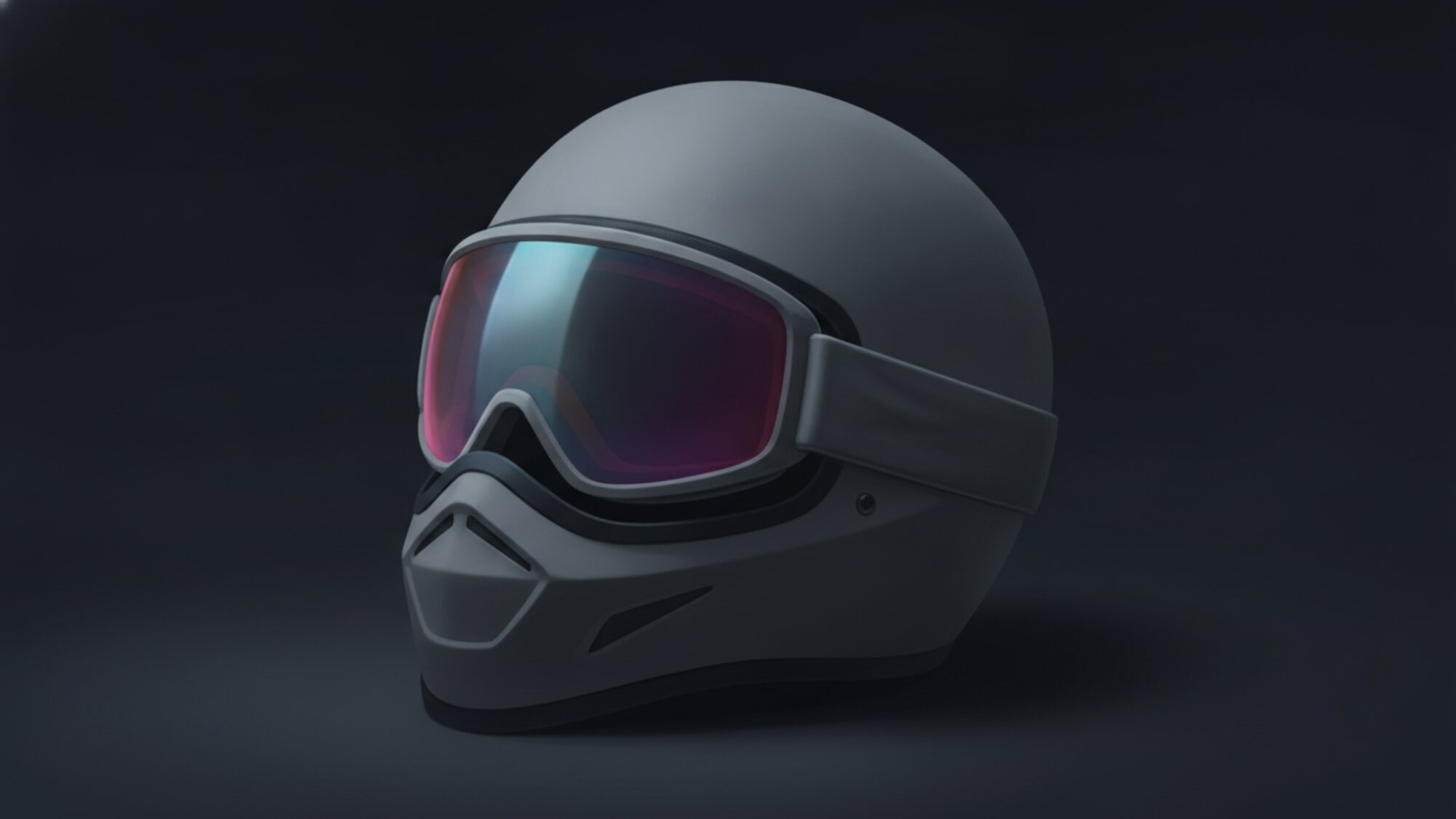
BMX goggles are an important piece of protective equipment used above all in BMX Race and, in some situations, in BMX Freestyle. Their main purpose is to protect the eyes and the face from dust, soil, small stones, mud, insects and wind. During a BMX race the bikes can throw up a great deal of debris from the track, especially when riders take berms, jumps and dirt sections.
BMX goggles have a different shape from ordinary sunglasses. They are generally larger and have a wide lens that gives a very broad field of view. That matters, because the rider must be able to watch the track and the other riders with nothing in the way. Goggles are held on the face by an elastic strap, often with a non-slip section that keeps them steady even during the most intense movements.
The lenses of sports goggles must be strong and designed to cope with use during physical activity. They can be available in different colours and with different properties. A clear lens is useful when there is little light, while a darker lens can be used in bright conditions. There are also lenses designed to increase contrast, making the bumps and dips of the ground easier to see.
Another problem goggles have to deal with is fogging. During physical activity the body produces heat and moisture, while the temperature difference between the inside and the outside of the goggles can cause condensation on the lens. That is why many models feature ventilation systems and anti-fog treatments. Good ventilation keeps vision clearer during a race or a training session.
BMX goggles must also be comfortable and compatible with the helmet. In BMX Race they are often worn with a full-face helmet, so it is important that the shape of the goggles fits the opening of the helmet properly. The strap must be adjustable enough to hold the goggles still without pressing too hard on the face.
Goggles are particularly common in BMX Race, because the events take place on tracks made of soil, jumps and obstacles. In BMX Freestyle they are used less often. Riders doing freestyle in a skatepark or in an urban setting may prefer smaller, lighter sports glasses. The choice therefore depends on the type of discipline and on the setting in which you ride.
Among the well-known brands in sports glasses and goggles there is Oakley, which also makes goggles designed for disciplines such as motocross and cycling. Some of these models can be used in BMX too, especially in BMX Race.
BMX goggles serve above all to protect the eyes and to ensure good visibility while riding. They must be strong, comfortable, well ventilated and compatible with the helmet. In BMX Race they are a particularly useful accessory, because they let the rider face dust, soil and debris while keeping concentration on the track.

10 FAQs about BMX
1. What is BMX and what does the name mean?
BMX stands for “Bicycle Motocross” and is a cycling sport born in the United States in the Seventies. At first youngsters used bicycles to imitate motocross races, tackling dirt courses, jumps and berms. Over the years that activity turned into a real sporting discipline, with bicycles designed specifically to be light, strong and easy to control. Today BMX includes several events, among them BMX Race, built on speed, and BMX Freestyle, focused on jumps, tricks and technical figures.
2. What are the main BMX disciplines?
The main BMX disciplines are BMX Race and BMX Freestyle. In BMX Race, riders compete on a track made of berms, jumps, rollers and other obstacles, trying to reach the finish in the shortest possible time. BMX Freestyle, on the other hand, is built above all on technique and on the ability to perform tricks and figures. Freestyle includes several events, such as Park, Street, Flatland, Dirt and Vert. Each discipline has different characteristics and calls for specific technical skills.
3. Why are BMX bikes smaller than other bicycles?
BMX bikes are designed to be compact, light and very agile. The most common wheels are 20 inches and the frame is generally smaller than that of an MTB or a road bike. These features let the rider control the bicycle easily during jumps, spins, tricks and changes of direction. The small size matters particularly in Freestyle, because it makes moving and controlling the bicycle during figures simpler. BMX bikes do come in different sizes, though, especially for children and teenagers.
4. Is BMX suitable for beginners?
Yes, BMX can be practised by beginners too. It is important, however, to start gradually, learning first to control the bicycle properly. A beginner should practise braking, turning, balance and small obstacles before trying harder jumps or tricks. With experience you can learn increasingly complex techniques. It is advisable to train in safe places and, especially for the youngest riders, to be followed by an instructor or an experienced person. Progressing step by step makes it possible to improve technique while reducing the risks.
5. What protection is needed to ride BMX?
The helmet is the most important protection for anyone riding BMX. In BMX Race full-face helmets are often used, which protect the chin and the face as well. In BMX Freestyle hard-shell helmets are very common instead. To protect the eyes, glasses or goggles can be used, especially in races on dirt tracks, where soil and dust can be thrown up by the wheels. Depending on the discipline, gloves, knee pads and elbow pads can be useful too. Protection does not remove the risk of injury altogether, but it can help reduce the consequences.
6. What is the difference between BMX and MTB?
BMX and MTB are two types of sports bicycle designed for different uses. The BMX is smaller, more compact, lighter and easier to handle and is used above all for track racing, jumps and tricks. The MTB, that is the mountain bike, is designed mainly to tackle dirt trails, woods, mountains and rough ground. MTBs generally have larger wheels, wider tyres and, depending on the model, front or front and rear suspension. The BMX favours agility, strength and ease of control instead.
7. Do BMX bikes have gears?
Many BMX bikes, especially those used in Freestyle, have a single gear ratio and therefore no gears to shift. This keeps the bicycle simple, light and strong, qualities that are particularly useful during tricks. BMX Race bikes are also designed mainly to deliver good acceleration and speed. MTBs, on the other hand, generally have several gear ratios, which let the rider handle climbs, flat ground and descents more easily. The gearing of the MTB therefore offers greater versatility on long routes with height gain.
8. Where can you ride BMX safely?
The best place depends on the discipline practised. BMX Race is ridden mainly on dedicated tracks, made of berms, jumps, rollers and obstacles. BMX Freestyle can be practised in skateparks, pump tracks and dedicated facilities, where ramps and spaces designed for tricks are available. It is important not to attempt difficult manoeuvres in unsuitable places or where other people could be put at risk. Beginners should start in simple, safe areas, learning the necessary techniques step by step before tackling more demanding facilities.
9. Is BMX a dangerous sport?
Like many sports involving speed, jumps and tricks, BMX carries a risk of falls and injuries. The level of risk depends on the discipline, the speed, the type of course and the difficulty of the manoeuvres attempted. To ride BMX more safely it is important to use a bicycle in good condition and to check wheels, tyres, handlebars, pedals and other components regularly. It is also essential to wear suitable protection and not to attempt manoeuvres that are too difficult for your own level. Training progressively helps develop balance, technique and control.
10. Is BMX an Olympic sport?
Yes, BMX is an Olympic sport. BMX Race entered the programme of the Olympic Games for the first time in Beijing in 2008. Later, BMX Freestyle Park was added to the Olympic programme from the Tokyo 2020 Games onwards. Some of the best riders in the world take part in the Olympic events. BMX Race tests speed, acceleration and the ability to handle the track above all, while BMX Freestyle Park judges the quality and difficulty of the tricks performed. Being at the Olympics has made BMX increasingly well known internationally.